





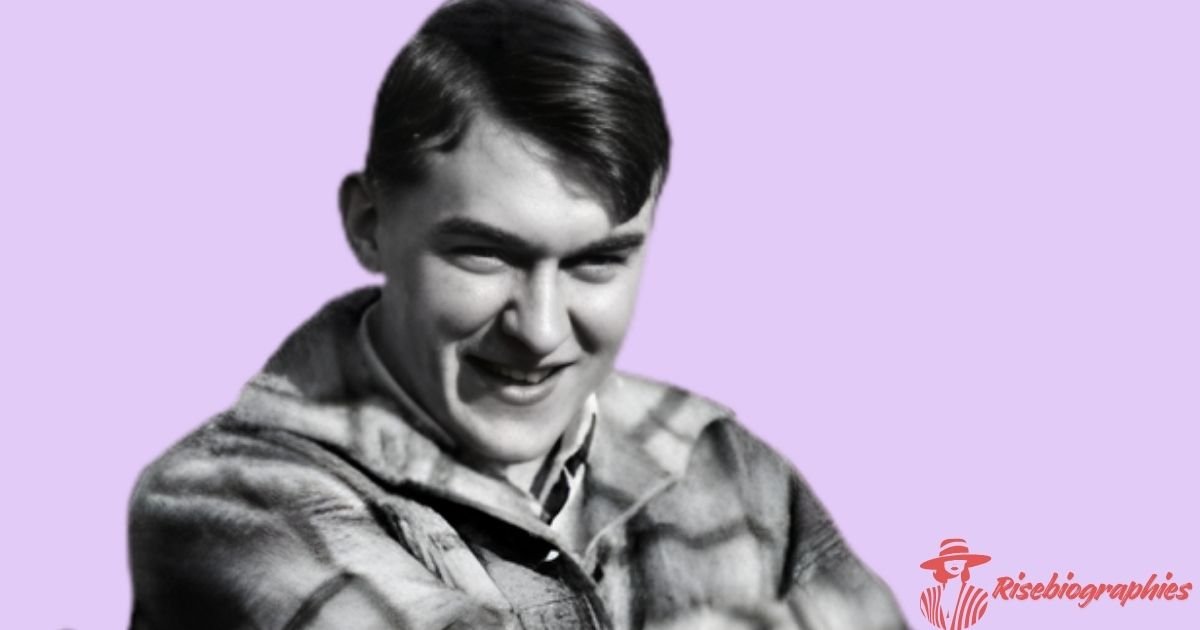
Gordon Northcott is remembered as one of the most notorious criminal figures of the early twentieth century. His name is closely tied to the Wineville Chicken Coop murders, a case that shocked California and drew national attention because of the kidnapping, abuse, and killing of young boys. Though many decades have passed, the case still appears in crime history books, documentaries, and public discussions.
Unlike biographies of entertainers or leaders, Northcott’s story is studied as a warning from history. His crimes led to intense media coverage, legal action, and long-term changes in how the public viewed child safety and criminal investigations. Because of this, his name remains known in true-crime history.
Who Is Gordon Northcott?
Gordon Stewart Northcott was a Canadian-born serial killer, child abductor, and convicted murderer who became infamous in California during the late 1920s.
He was the main suspect and later convicted killer in the Wineville Chicken Coop murders, a criminal case centered around his family ranch in Riverside County, California.
Northcott became widely known because the crimes involved missing children, abuse, and murder. The shocking details made the case one of the most remembered criminal stories in California history.
Quick Info:
Personal Details of Gordon Northcott:
Full Name / Real Name
Gordon Stewart Northcott
Nickname
He is sometimes referred to in modern media as the Chicken Coop Murderer.
Date of Birth
November 9, 1906
Place of Birth
Saskatchewan, Canada
Age (as of current year)
He died at the age of 23 in 1930.
Zodiac Sign
Scorpio
Physical Appearance
Height
Exact public records are limited, but historical reports suggest he had an average build, likely around 5 feet 8 inches (173 cm).
Weight
Estimated around 150 lbs (68 kg).
Eye Color
Likely brown.
Hair Color
Dark brown
Fitness / Body Type
Average body type for his era.
Also Read: claudia kelley
Early Life & Childhood of Gordon Northcott:
Northcott was born in rural Canada and spent his early years in Saskatchewan. Historical records about his childhood are limited, but he reportedly grew up in a farming environment. Later, his family moved to the United States in search of better opportunities.
Little verified information exists about his hobbies or interests as a child. Most historical attention began only after his later crimes. Some reports describe a troubled youth and unstable behavior during adolescence.
Education
Schooling
There is no complete public record of his early schooling. He likely attended local schools in Canada during childhood.
Family Background of Gordon Northcott:
Father’s Name & Profession
Gordon Northcott’s father was Cyrus George Northcott (1866–1944). He was a general building contractor who provided the financial means for Gordon to establish the chicken ranch in Wineville, California.
Mother’s Name & Profession
His mother was Sarah Louise Northcott, who later became involved in the case and legal proceedings.
Family Support of Gordon Northcott:
His family migration to California placed them at the ranch where the crimes later occurred. His mother’s role in the case became a major part of public discussion.

Relationship of Gordon Northcott:
Marital Status
Unmarried
Nationality, Religion & Ethnicity of Gordon Northcott:
Nationality
Canadian-born, later resident in the United States.
Religion / Beliefs
Christine
Ethnicity / Cultural Background
Likely of European Canadian background, though exact details are unclear.
Career Journey of Gordon Northcott:
Career Start
Northcott did not build a professional public career. He worked around the family chicken ranch in California.
Initial Struggles
Like many migrant families of the era, the household likely faced financial and social adjustment challenges after moving countries.
Breakthrough Moment of Gordon Northcott:
His name entered public awareness only after police investigations connected him to disappearances of children.
Major Career Milestones
There were no legitimate career milestones. His historical significance comes entirely from criminal events, arrest, trial, and execution.
Professional Style & Public Image
Public Personality
Historical descriptions often portray him as manipulative and controlling.
Media Image of Gordon Northcott:
He has been portrayed as one of California’s most notorious killers.
How Fans and Critics See Them
He has no fan culture. Public opinion remains strongly negative due to the crimes.
Reason for Fame
Northcott became famous because of the Wineville Chicken Coop murders, where several boys were kidnapped and killed at or connected to the ranch property.
The shocking nature of the crimes, the age of the victims, and the discovery of evidence created intense newspaper coverage. This turned the case into a national headline story.
Major Works / Notable Contributions
Northcott had no artistic, business, or social contributions. His only historical footprint is his role in one of the most infamous murder cases of the 1920s.
The case itself later inspired books, documentaries, and true-crime studies about law enforcement failures and public reaction.
Also Read: valentino-martin
Books / Publications of Gordon Northcott:
Northcott did not write books or research papers.
However, many later writers and journalists have covered the case in crime books, newspaper retrospectives, and documentaries.
Achievements & Awards of Gordon Northcott:
Northcott had no awards or positive achievements recorded in public history.
His name appears in records only through criminal convictions and legal proceedings.
Controversies
The central controversy of his life was the scale of the crimes. He was convicted of murdering three boys, but reports from the time suggested more victims may have existed.
There was also public debate around confessions, witness statements, and the involvement of family members during the investigation.
Challenges & Struggles
Northcott’s life does not present a traditional success story. Instead, it reflects personal instability, criminal behavior, and eventual punishment.
The major struggles associated with his life were legal prosecution, trial, imprisonment, and death sentence after conviction.

Earnings & Income Sources of Gordon Northcott:
Primary Income Sources
Likely ranch and farm-related labor. Northcott ran a small chicken ranch in Wineville (now Mira Loma), California, where he lived with his mother and eventually his kidnapped victims. Northcott and his mother primarily supported themselves through the abduction, torture, and murder of young boys, along with the subsequent looting of their victims.
Business Ventures & Investments
There are no known legitimate companies, investments, or side businesses linked to Gordon Northcott.
The family ranch was agricultural property rather than a major business enterprise.
Lifestyle & Assets of Gordon Northcott:
Northcott lived at or around the family ranch in California. There is no evidence of wealth, luxury living, or notable assets.
Historical records focus on the criminal investigation rather than homes, vehicles, or possessions.
Hobbies & Interests of Gordon Northcott:
- Farming and ranch-related tasks
- Outdoor rural work
- Animal handling on the ranch
- Mechanical chores common to farm life
- Travel between Canada and California
Social Media Presence
Northcott lived long before the internet era.
He had no Instagram, Facebook, X, YouTube, or TikTok presence.
Philanthropy & Social Work
There is no public record of charity work, foundations, or humanitarian efforts connected to Gordon Northcott.
His historical record is entirely associated with criminal acts.
Media Appearances & Interviews
Northcott did not have modern celebrity interviews or talk show appearances.
His story has appeared in documentaries, crime series, podcasts, and historical newspaper retrospectives examining the case and its impact.
Quotes & Philosophy
There are no respected motivational quotes or positive philosophies linked to him.
Statements associated with Northcott usually come from interrogations, trial testimony, or crime reporting rather than personal wisdom.
Interesting Facts about Gordon Northcott:
- He was born in Canada but became infamous in California.
- He was only 23 years old when executed.
- The town of Wineville later changed its name to Mira Loma after the case.
- The case became one of the biggest crime stories of the 1920s West Coast.
- His crimes continue to be discussed in documentaries today.
Future Plans & Goals
Northcott’s life ended in 1930 after execution, so there were no future plans to pursue.
Any later significance comes from historical study of the case, not from his own ambitions.
Legacy & Impact of Gordon Northcott:
Northcott’s legacy is deeply negative. He is remembered as a symbol of brutality and one of the darkest criminal names in California history.
The case influenced public fear around child safety, increased attention to missing persons investigations, and remains part of true-crime research today.
Timeline Overview of Gordon Northcott:
Birth Year
1906 – Born in Saskatchewan, Canada.
Career Start
No legitimate career record.
Breakthrough Year
1928 – Case gained major public attention.
Major Milestone Years
1929 – Convicted of murder.
1930 – Executed at San Quentin State Prison.
Current Status
Remembered only as a historical criminal figure.
Conclusion
Gordon Northcott remains one of the most infamous names in North American crime history. His connection to the Wineville Chicken Coop murders made him a lasting symbol of violence, fear, and public outrage. Even decades later, the case continues to attract researchers and documentary makers.
His biography is not one of achievement, fame, or inspiration. Instead, it serves as a reminder of how serious crime can affect families, communities, and public trust. The victims and the lessons of the case remain far more important than the criminal himself.
Studying cases like this can help society understand the past and improve future protections. While Northcott’s name survives in records, the true legacy is the need for justice, vigilance, and child safety.
FAQs
He was a Canadian-born convicted serial killer linked to the Wineville Chicken Coop murders in California.
He became infamous because of the kidnapping and murder of young boys during the late 1920s
He was born in Saskatchewan, Canada.
He was executed by hanging at San Quentin State Prison in 1930
He was 23 years old.